
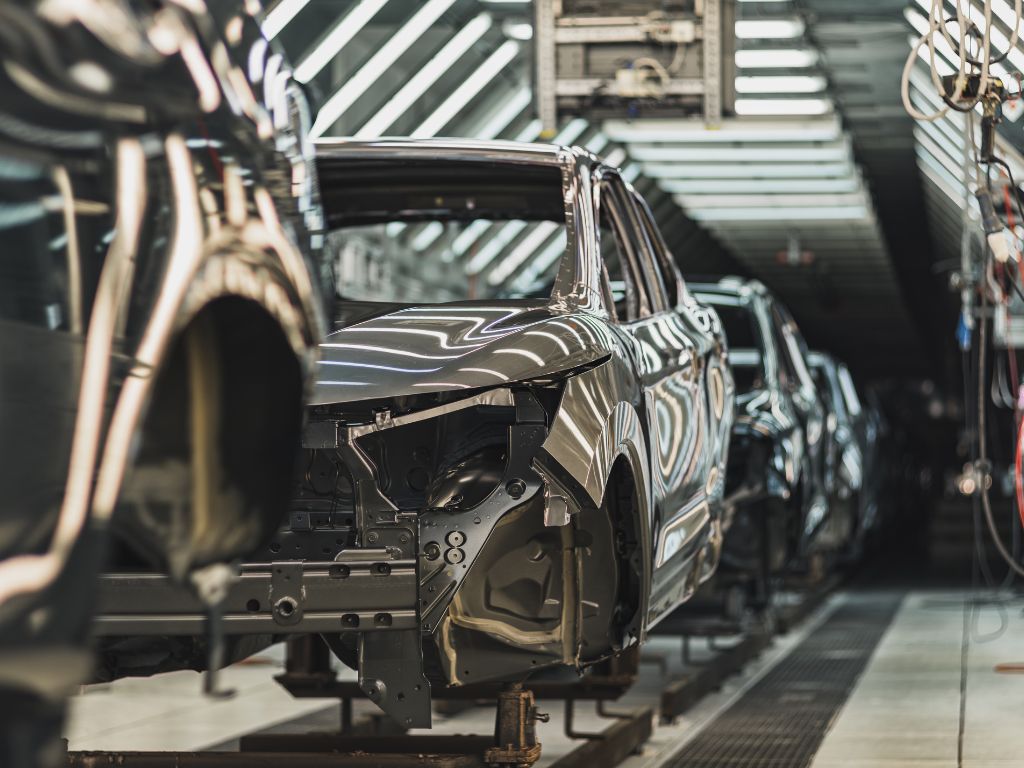

The metal inside a car’s safety systems is more strategic than most drivers realize. Alloy selection is where engineering meets its most vital decisions.
Every car lover knows the thrill of horsepower and sharp handling, but safety parts carry the real responsibility when something goes wrong. Automakers can’t afford weak links in braking systems, structural frames, or restraint components. That’s why they choose reliable metal alloys for safety parts to protect you on the road.
What Performance Demands Must Safety Alloys Meet?
Safety parts face extreme stress. Crash structures must absorb energy without shattering, while brake components must withstand heat and friction without warping. Engineers look at tensile strength, yield strength, and elongation before approving any alloy.
They also evaluate fatigue resistance. A seatbelt anchor or suspension component handles repeated loads over the years. If the alloy can’t endure cyclical stress, it won’t make the cut.
How Do Engineers Balance Strength and Ductility?
Strength alone doesn’t guarantee safety. If a metal resists force but cracks under impact, it can fail catastrophically. Automakers need alloys that bend in a controlled way and absorb crash energy.
High-strength steels and specialized nickel alloys often strike that balance. They provide structural integrity while allowing deformation that protects passengers. Engineers test samples under simulated crash conditions to confirm real-world performance.
Why Do Industry Standards Guide Alloy Selection?
Automotive design follows strict material standards. Engineers reference ASTM and other specifications to confirm chemical composition and mechanical properties. These standards reduce variability and ensure consistency across production runs.
For example, when engineers evaluate nickel alloys for corrosion resistance and strength, they often review specifications such as ASTM B164. That context supports better decisions for safety-critical parts exposed to heat, vibration, and corrosive elements.
How Does Corrosion Resistance Affect Safety Parts?
Road salt, moisture, and extreme temperatures attack metal. If corrosion weakens a control arm or brake component, structural integrity drops fast. Automakers select alloys that resist oxidation and chemical breakdown over time.
Nickel-containing alloys and coated high-strength steels often deliver the durability required for long service life. Engineers also evaluate how coatings interact with base metals to prevent galvanic corrosion. They test assemblies in salt spray chambers and real-world environments before approving final materials.
What Role Does Manufacturing Compatibility Play?
Even the strongest alloy fails if it doesn’t work with modern manufacturing. Automakers need to consider the following:
- Formability during stamping and shaping
- Weldability without loss of strength
- Heat treatment response
- Dimensional stability under stress
When you look at a performance car or a daily driver, you probably notice design and speed first. Yet behind every airbag housing, chassis rail, and brake rotor lies careful material science. The ways automakers choose metal alloys for safety parts reflect a disciplined process built on data, established standards, and rigorous testing. Alloy selection doesn’t just influence durability—it shapes how a vehicle protects the people inside it.
Comments are closed.