
Is your vehicle truly road-ready? A few minutes of inspection could save you from a roadside breakdown. Find out which components need your attention!
You rely on your vehicle to transport you safely from point A to point B every day, and that trust depends entirely on the mechanical integrity of the machine. Ignoring warning signs or skipping maintenance intervals puts you, your passengers, and other drivers at risk.
While professional mechanics should handle complex repairs, you can perform many basic inspections at home. Conducting these essential safety checks for your car’s performance gives you peace of mind every time you get behind the wheel.
Monitor Your Tire Health
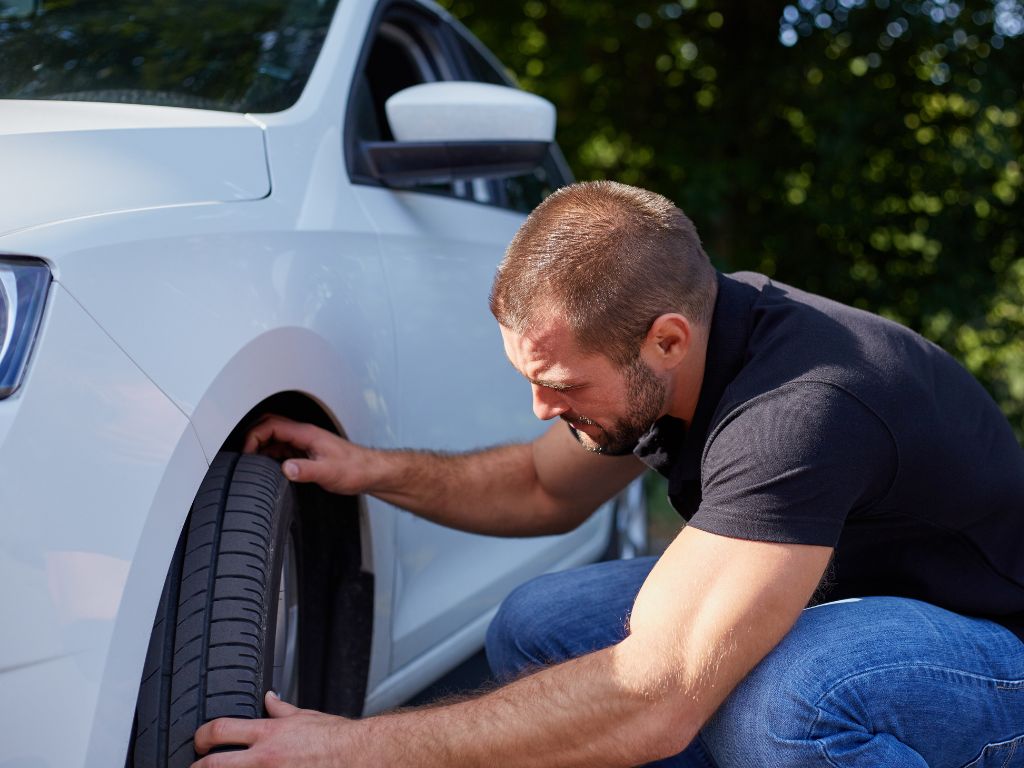
Your tire’s condition dictates how well your car handles, accelerates, and stops. Which is why you should check the air pressure in all four tires, plus the spare, at least once a month. Underinflated tires increase fuel consumption and risk a blowout, while overinflated tires compromise traction.
Additionally, inspect the tread depth! Worn treads cannot channel water away from the tire, which increases the likelihood of hydroplaning on wet surfaces.
Listen to Your Brakes
The braking system is more important to your safety than any other component in your car. You must trust that the car will stop effectively when you press the pedal. To check for this, listen for high-pitched squealing or grinding noises when you apply the brakes. These sounds act as built-in wear indicators, telling you the pads are thin.
Conversely, a vibrating or pulsating pedal suggests warping in the system components. In fact, that shuddering sensation is one of the most common signs your brake rotors require replacement.
Check Critical Fluid Levels
Your engine relies on various fluids to operate efficiently and stay cool. Engine oil lubricates moving parts to reduce friction and prevent seizing, so check and pull the dipstick regularly to verify the oil level and color. Dark, gritty oil requires changing, while a low level suggests a leak or burning oil.
Coolant levels are equally vital as they regulate engine temperature. Low coolant levels cause overheating, which can warp the engine block.
Verify All Lights Function
You need to see the road clearly, and other drivers need to see you. Before heading out, walk around the vehicle to verify that the headlights, high beams, and fog lights illuminate correctly. A cloudy or yellow headlight lens reduces brightness and should be polished or replaced immediately.
Check the rear of the vehicle as well. Ask a friend to stand behind the car while you press the brake pedal to confirm the brake lights work. A burnt-out bulb might seem like a minor annoyance, but it deprives you of the ability to signal your intentions to other drivers, increasing the risk of a collision.
Prioritize Regular Maintenance
Vehicle ownership involves more than simply filling up the gas tank. You play an active role in keeping the machine running safely. Conduct regular visual inspections and auditory checks to help you identify problems early.
Staying diligent about these essential safety checks for your car’s performance extends your vehicle’s lifespan and keeps you safe on the road. If you notice anything unusual during your checks, schedule an appointment with a trusted mechanic immediately.
Comments are closed.