
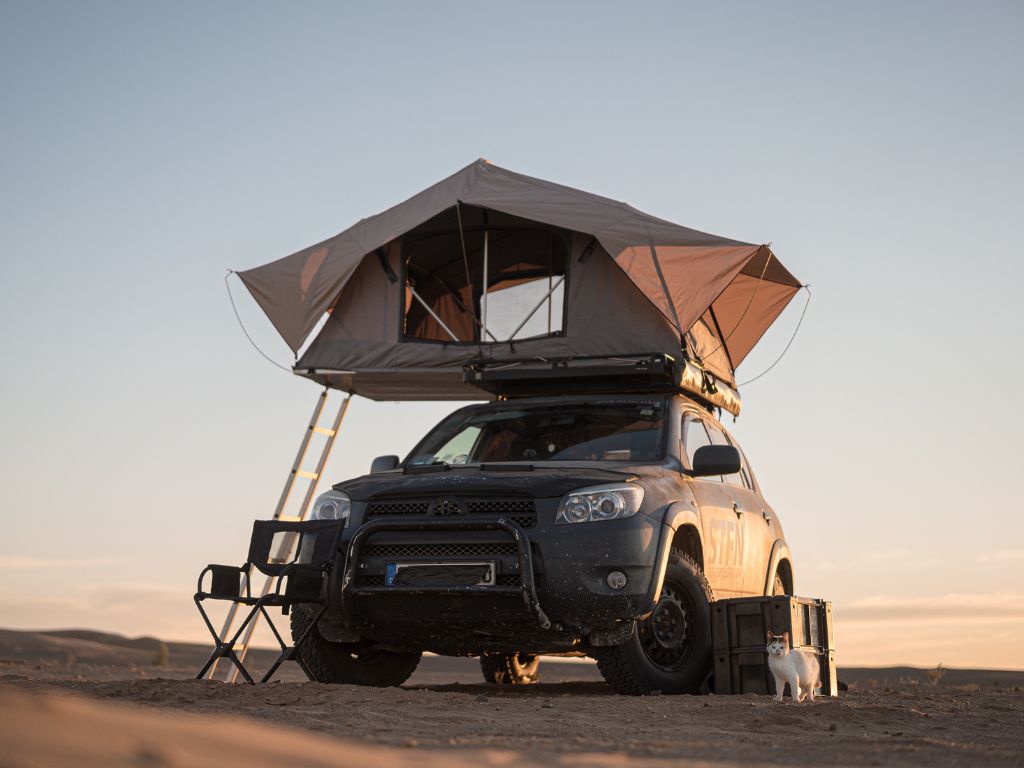

Many people often wonder if they can enjoy a camping trip from the comforts of their existing vehicle. We explore those details right here.
Vehicle camping continues to gain popularity among auto enthusiasts who crave freedom and flexibility. Many drivers now skip traditional tents and explore the outdoors with their cars, SUVs, or trucks. Before you plan your next adventure, you need to understand what your vehicle can handle. The right preparation protects your investment and ensures a smooth camping experience. Can you really take your vehicle camping? Here’s what to know first.
Is Your Vehicle Suitable for Camping?
Not every vehicle fits every type of camping trip. You should evaluate ground clearance, drivetrain capability, and cargo space before you commit. All-wheel drive or four-wheel drive systems help you navigate dirt roads and uneven terrain. Sedans can handle established campgrounds, while SUVs and trucks often perform better in remote areas.
Weight capacity plays a major role in your planning process. You must check your owner’s manual for payload limits and towing specifications. Overloading your suspension can cause mechanical issues and unsafe handling. Smart vehicle camping starts with respecting factory limits.
What Modifications or Gear Do You Need?
You don’t need a fully built overland rig to enjoy vehicle camping. Many enthusiasts start with basic upgrades, such as roof racks, cargo carriers, or sleeping platforms. Proper tires designed for off-road travel can improve traction and stability. Even small adjustments can make a noticeable difference in comfort and capability.
Organization will also determines how enjoyable your trip feels. Consider adding storage bins, drawer systems, or collapsible containers to manage gear. When people try truck camping in a pickup, they often install bed tents or camper shells for added protection. These upgrades create a more controlled sleeping environment without requiring a full RV conversion. Consider packing these essentials for vehicle camping:
- A compact air mattress or sleeping pad
- Portable cooking equipment and fuel
- Extra water containers
- Jumper cables or a portable battery pack
- Basic recovery gear such as tow straps
Where Can You Legally Camp With Your Vehicle?
You must research camping regulations before you hit the road. National parks, state parks, and private campgrounds each enforce specific rules. Some locations restrict dispersed camping, while others welcome it in designated areas. Checking official websites helps you avoid fines and unnecessary stress.
Public lands managed by the Bureau of Land Management (BLM) often allow dispersed camping with minimal fees. However, you still need to follow local fire restrictions and environmental guidelines. Many automotive community members appreciate the freedom of remote camping, but responsibility comes first. Respecting posted rules preserves access for future travelers.
What Comfort and Safety Factors Should You Consider?
Comfort influences how often you choose vehicle camping in the future. Ventilation becomes crucial when you sleep inside your vehicle. Window screens or small battery-powered fans can improve airflow without compromising security. Good planning keeps condensation and discomfort under control.
Safety should always guide your decisions. Share your itinerary with someone you trust before you leave. Keep emergency supplies within reach at all times. Automotive enthusiasts understand machinery, but wilderness travel demands preparation beyond horsepower and torque.
Vehicle camping offers flexibility, cost savings, and a deeper connection to the road. With the right research and setup, you can confidently take your vehicle camping. Evaluate your equipment, respect regulations, and prioritize safety on every trip. Smart preparation turns your car, SUV, or truck into a reliable basecamp for unforgettable adventures.
Comments are closed.