
When you operate your vehicle, you must do it safely and within the law. Learn about the five responsibilities that car owners should never ignore.
Owning a vehicle is a privilege that comes with clear obligations. Beyond enjoying the sheer thrill of driving your car, you must focus on your own and others’ safety, keep your vehicle reliable, and maintain legal compliance.
Neglecting these duties can lead to costly repairs, penalties, or even serious accidents. Read on to learn about the five responsibilities that car owners should never ignore.
Staying on Top of Routine Maintenance
Regular service is the foundation of responsible ownership. Oil changes, brake inspections, tire rotations, and fluid checks prevent minor wear from turning into mechanical failure.
Ignoring scheduled maintenance shortens a vehicle’s lifespan and diminishes performance. More importantly, it can compromise safety.
A worn timing belt or failing brake system rarely announces itself politely. Preventive care remains significantly cheaper than emergency repair.
Buying the Right Car Insurance
Securing proper coverage is not just a legal requirement in many regions; it is also a matter of financial safety. Yet people often treat buying car insurance as a box-ticking exercise rather than a strategic decision.
Failing to evaluate coverage carefully can leave owners exposed to high out-of-pocket costs after an accident. It can be worse for those who have a driving while intoxicated incident on their record, making it critical for them to know how to get post-DUI insurance. By choosing the right coverage, you can protect your finances and feel peace of mind every time you get behind the wheel.
Passing Required Emissions Tests
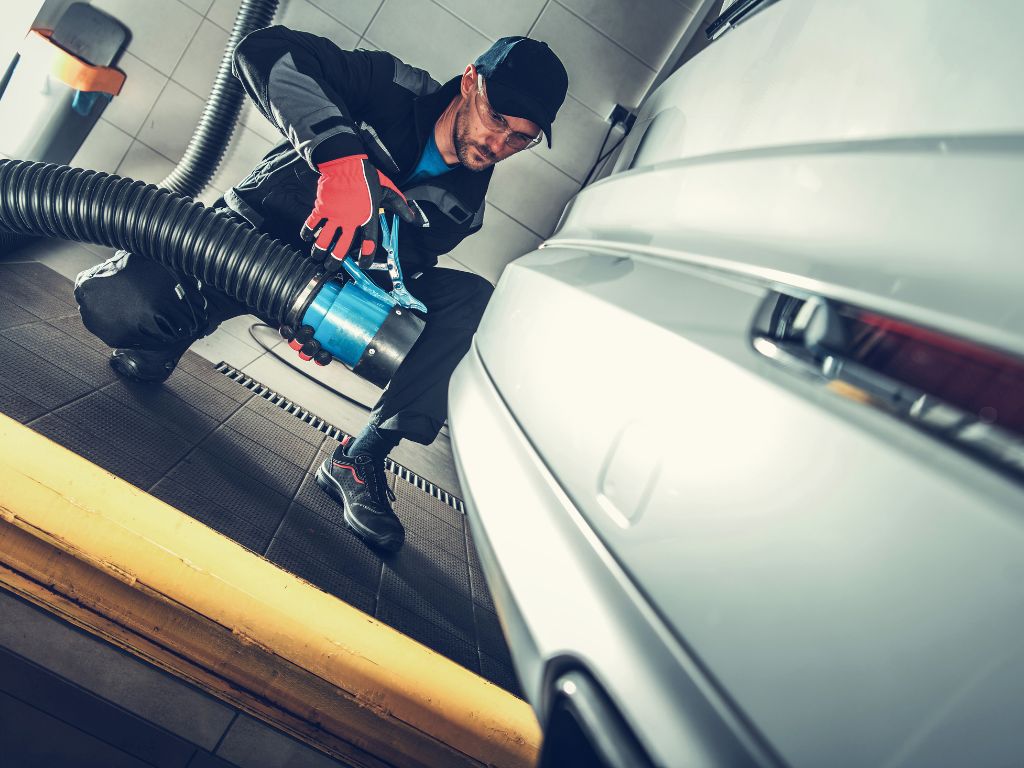
Environmental compliance is an increasingly important aspect of vehicle ownership. Many regions require periodic emissions testing to ensure cars meet air quality standards. Skipping an emissions test can result in registration delays, fines, or driving restrictions.
More critically, failed tests often signal deeper mechanical issues, such as faulty oxygen sensors, catalytic converter problems, or inefficient fuel systems, that may affect performance and fuel economy. Proactive maintenance can significantly improve your likelihood of passing required inspections and avoiding last-minute complications.
Monitoring Tire and Brake Conditions
Another responsibility that car owners should never ignore is keeping track of the condition of their brakes and tires. These comprise your primary safety interface between your car and the road. Yet drivers frequently overlook them until problems become obvious.
Underinflated tires reduce fuel efficiency and increase stopping distance. Uneven tread wear may indicate alignment issues. Likewise, brake pads and rotors deteriorate gradually, and delayed replacement can dramatically escalate repair costs. Routine visual checks and prompt servicing preserve control, stability, and stopping power.
Keeping Registration and Documentation Current
Administrative responsibilities matter just as much as mechanical ones. Registration renewals, inspection certificates, and proof of car ownership responsibilities must remain up to date.
Expired documentation can lead to fines, impoundment, or insurance complications. Maintaining organized records simplifies claims, future sales, and compliance audits.
Recognize Your Obligations
Responsible drivers recognize that car ownership responsibilities extend beyond fueling up and enjoying the drive. Maintenance, insurance, emissions compliance, safety checks, and legal documentation form the backbone of dependable motoring. Placing a high value on these obligations will protect your vehicle and everyone else on the road.
Comments are closed.