
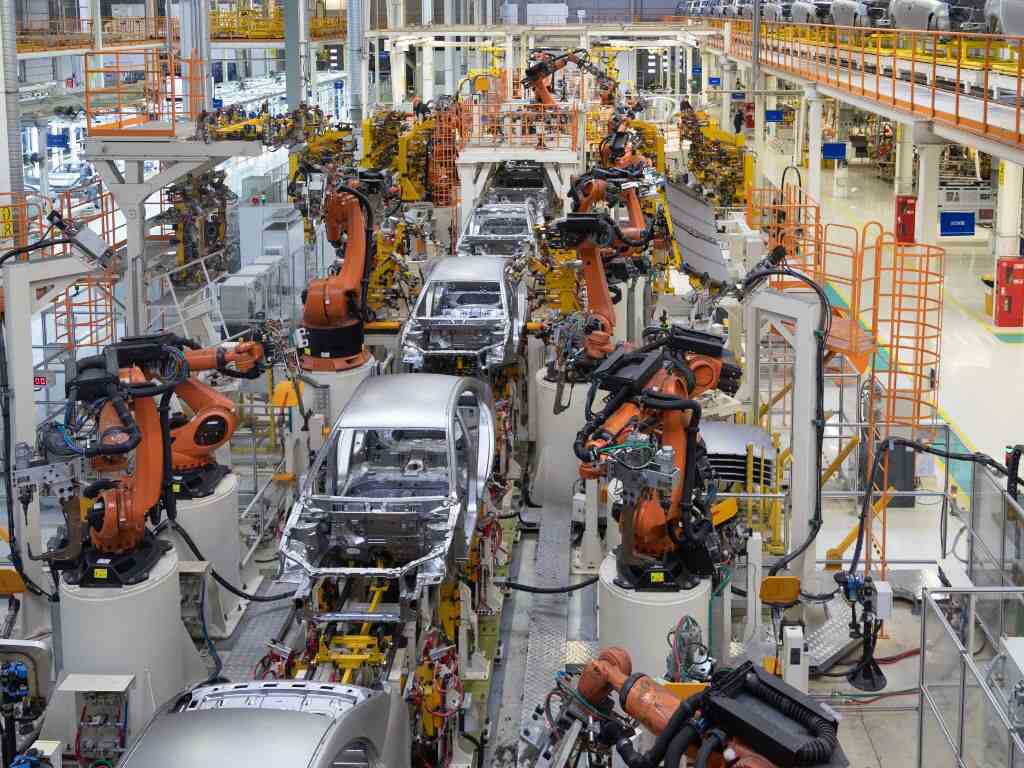

Discover the essential automotive processes that enhance vehicle durability, including advanced manufacturing techniques and innovative design strategies.
In the competitive world of automotive engineering, durability is a paramount consideration for manufacturers and consumers alike. The processes involved in designing and constructing vehicles are intricately linked to their longevity and performance on the road. From materials selection to advanced manufacturing techniques, each step plays a critical role in enhancing a car’s resilience to wear, tear, and environmental factors.
Let’s look at automotive processes that make cars more durable and how they contribute to creating reliable and long-lasting vehicles.
Materials Selection
One of the first steps in building a durable car is selecting the right materials. Automakers have a plethora of choices when it comes to metals, plastics, and composites, but not all are equal in terms of durability. For example, high-strength steel is commonly used in automotive applications due to its excellent strength-to-weight ratio and resistance to corrosion.
On the other hand, aluminum is lighter than steel but more susceptible to denting and scratching. Carbon fiber, while lightweight and strong, can be expensive and challenging to repair. To ensure optimal durability, automakers carefully consider their options and often use a combination of materials to balance strength, weight, and cost.
Advanced Manufacturing Techniques
The way a car is built can also have a significant impact on its durability. In recent years, the automotive industry has seen advancements in manufacturing techniques that help create more robust and resilient vehicles. One such method is hydroforming, which uses high-pressure water to shape metal into complex and durable parts.
Another technique gaining popularity is 3D printing, which allows for the creation of intricate and lightweight components with exceptional strength. By utilizing these advanced processes, automakers can produce cars with better structural integrity and longevity.
Testing and Quality Control
Before a car makes it onto the market, it undergoes rigorous testing to ensure it meets safety standards and durability expectations. Automakers put vehicles through various simulations and real-world tests to identify potential weaknesses and make necessary improvements. Quality control measures are also in place throughout the manufacturing process to catch any defects or flaws that could compromise a car’s durability.
Regular Maintenance
The responsibility of maintaining a car’s durability doesn’t solely lie with automakers; it is also up to the owner to ensure proper care and maintenance. Regularly scheduled maintenance, such as oil changes, tire rotations, and inspections, can help prevent small issues from turning into more significant problems down the road.
Moreover, keeping up with routine maintenance can extend a car’s lifespan and maintain its performance over the years.
Environmental Considerations
Cars are constantly exposed to various environmental factors, from extreme temperatures and humidity to road salt and pollutants. To counter these elements, automakers must design vehicles with protective coatings and corrosion-resistant materials. High-quality paints that can withstand harsh weather conditions are also crucial for preserving a car’s appearance and structural integrity.
Furthermore, the use of alternative fuels and eco-friendly manufacturing processes can contribute to reducing a car’s impact on the environment while improving its durability.
Automotive processes like materials selection, advanced manufacturing techniques, testing and quality control, regular maintenance, and environmental considerations all play a pivotal role in making cars more durable. The automotive industry is one of the industries that utilize horizontal conveyors along with other industrial equipment to help make their processes as efficient as possible. With advancements in technology and constantly evolving techniques, cars are becoming more durable and reliable than ever before. As consumers demand longer-lasting vehicles, automakers continue to push the boundaries of innovation to meet these expectations and create a sustainable future for the automotive industry.
Comments are closed.