
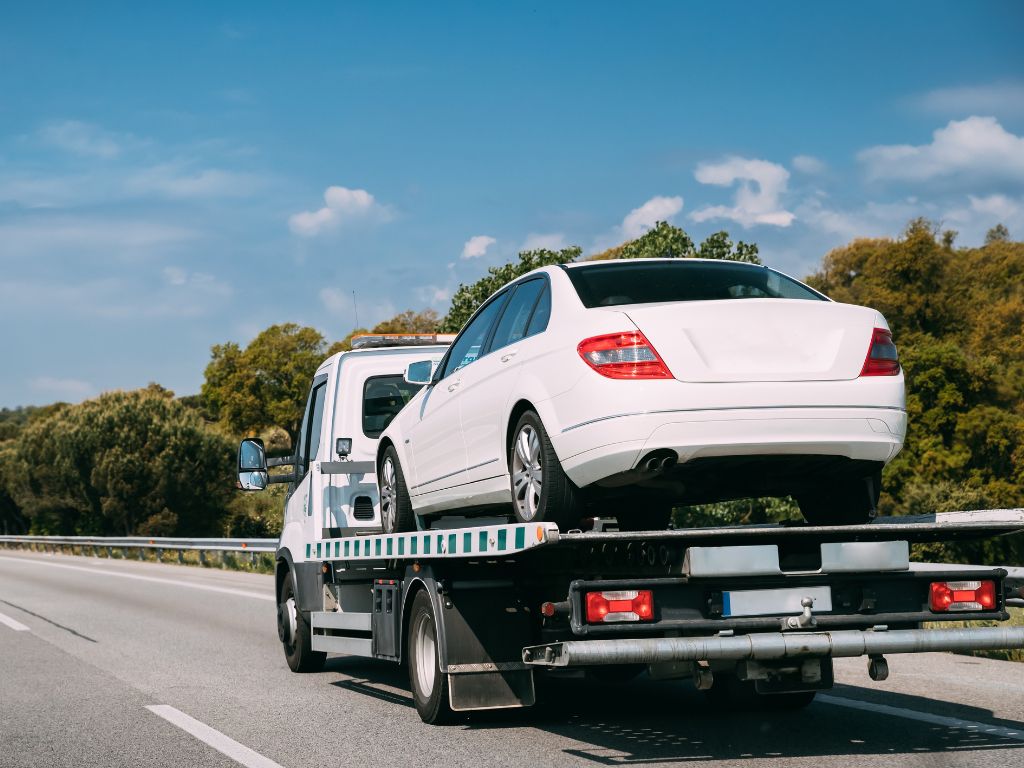

Compare flatbed and enclosed transport, discover what affects cost and protection, and choose the shipping option that fits your cargo best.
Choosing between flatbed and enclosed transport may seem straightforward, but the best option depends on your cargo and desired protection. Both methods serve distinct purposes and excel in different situations. The key is identifying your priorities before you book.
By understanding the differences, you can choose wisely, avoiding unnecessary costs or insufficient protection. Continue reading to explore what matters between flatbed and enclosed transport.
Basic Differences
Flatbed transport moves cargo on an open trailer. The load sits exposed to weather, road dust, and outside conditions, but the setup makes loading and unloading easier. Drivers can secure large or oddly shaped items from several angles, which makes flatbeds a practical choice for equipment, building materials, and oversized freight.
Enclosed transport secures cargo inside a covered trailer, shielding it from rain, wind, debris, and sun. This method best suits items requiring extra care, such as luxury vehicles, classic cars, specialty equipment, or freight with delicate finishes.
Protection and Exposure
Protection often drives the decision. If your cargo can handle normal outdoor conditions, flatbed transport may make sense. Many durable materials and machines travel safely this way every day. Flatbed service also works well when speed and easy access matter more than appearance.
If the shipment is highly valuable or has a sensitive surface, enclosed transport excels. The trailer protects the cargo from the elements and offers privacy during transit. This protection is crucial for owners seeking to safeguard paint, trim, upholstery, or custom features.
Cost and Convenience
Flatbed transport usually costs less than enclosed service, and that price difference matters for many customers. Open trailers often remain more available, and that can help when timelines feel tight. If your cargo does not require special protection, flatbed shipping can keep the move efficient and cost-effective.
Enclosed transport usually comes with a higher price due to its added protection and more limited trailer options. For many shipments, that cost makes sense. Paying more up-front can help you avoid damage concerns later, especially when the load carries sentimental or financial value.
Choosing the Right Fit
The best choice depends on the cargo itself, the travel distance, and the conditions on the route. A rugged machine headed to a jobsite may do just fine on a flatbed. A collector car headed across several states may deserve enclosed transport instead.
Asking the right questions when hiring a transport company becomes important during this decision-making process. Ask how the company secures loads, what type of insurance it carries, and how often it handles shipments like yours. Clear answers can tell you a lot about the service you can expect.
Final Thoughts
Flatbed and enclosed transport both offer real advantages, but they solve different problems. Flatbed service gives you flexibility, accessibility, and lower cost. Enclosed transport gives you more protection, privacy, and peace of mind.
When you match the shipping method to the value and needs of your cargo, the decision becomes much easier. A little thought before booking can help you protect your shipment and your budget at the same time.
Comments are closed.