
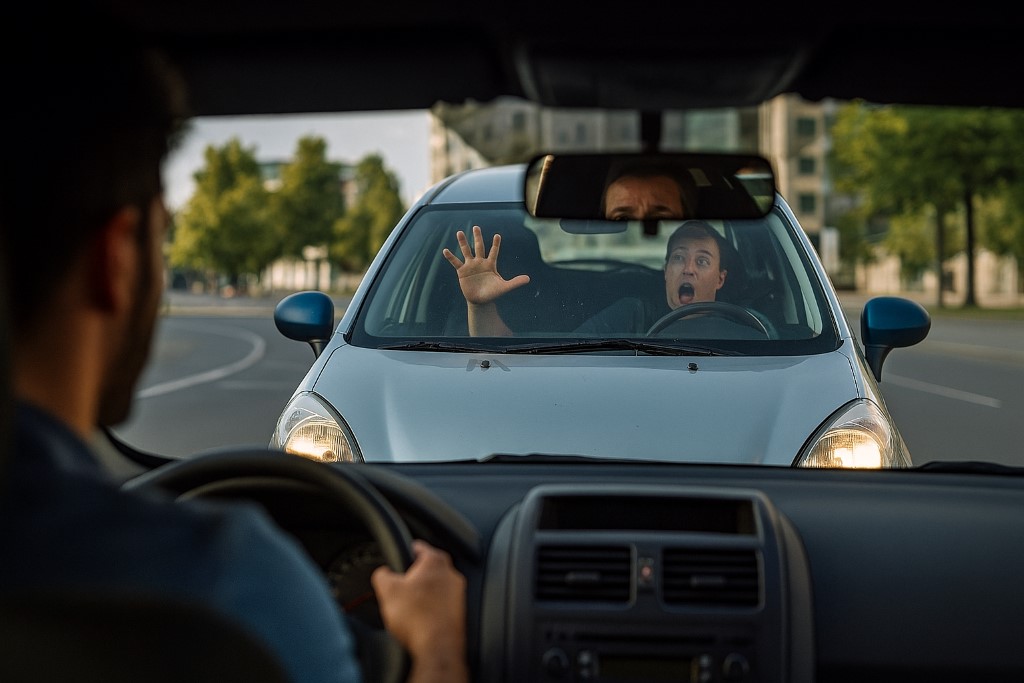

Many drivers have experienced that heart-stopping moment on the road, whether a slippery bend, an unexpected hazard, or a vehicle braking sharply in front of them. As Road Safety Week approaches, these close calls serve as a crucial reminder that even near misses demonstrate just how quickly things can go wrong, and staying focused behind the wheel is essential.
A new survey of 2,000 UK drivers, conducted by temporary car insurance experts Tempcover, examines the frequency of near misses, their most common occurrence, and how these moments can influence safer and more attentive driving.
71% of Drivers Have Experienced a Near Miss
Over seven in ten drivers (71%) admit they’ve experienced a near miss while behind the wheel. On average, motorists reported experiencing almost three close calls (2.6) per year, with nearly one in ten (9%) stating they had had six or more close calls. When asked who was to blame for their most recent near miss:
-
Over half (55%) pointed to other drivers, with the top cause being aggressive or risky driving (25%).
-
One in 10 blamed cyclists or pedestrians, citing cyclists not following traffic rules (33%) and pedestrians stepping into the road unexpectedly (26%) as the main reasons.
-
Among the 11% who shared responsibility, the most common cause was misjudging a junction, roundabout, or turn (17%).
-
For the 8% who accepted full responsibility, nearly two in five (38%) admitted it was due to lack of attention.
Across all Near Misses in the Survey, the Top 10 Reasons Reported Were:
Reason |
Percentage |
|
Aggressive/risky driving (dangerous overtaking, lane weaving) |
15% |
|
Lack of attention |
14% |
|
Misjudged junction, roundabout, or turn |
11% |
|
Poor weather (rain, fog, ice, snow) |
7% |
|
Speeding |
7% |
|
Pedestrian stepped into the road unexpectedly |
6% |
|
Poor road conditions (potholes, roadworks, poor signage, slippery surfaces) |
5% |
|
Cyclist not following traffic rules (running red lights, riding on pavement, etc.) |
5% |
|
Distracted driving (phone, GPS, eating, etc.) |
4% |
|
Cyclist swerved or overtook unexpectedly |
3% |
The most common situations for close calls, according to respondents, were residential roads (32%) and during the daytime, between 10 am and 4 pm (43%).
A Quarter of Drivers Feel Less Confident After Near Misses
A quarter of drivers (25%) say that a near miss has negatively impacted their confidence behind the wheel. Following their most recent close call, 38% reported feeling shaken and scared, 34% felt annoyed or frustrated, and 8% admitted to feeling embarrassed or guilty[1].
Near misses often prompt drivers to rethink their habits and take steps to stay safer. Following their most recent close call, 32% reported paying more attention and driving more cautiously overall, while one in five became more mindful of their speed. Eight per cent also added a dashcam or other in-car safety technology[1].
For some, the measures were more extreme, with one in ten admitting they had stayed off the road in bad weather, 9% steering clear of low visibility conditions, and 3% avoiding driving altogether. [1]
Staying Alert: Top Tips for Avoiding Near Misses
While some drivers have adjusted their habits in response, everyone can take steps to reduce risk and stay safer on the road. Claire Wills-McKissick, temporary car insurance expert at Tempcover, shares five key tips to help drivers anticipate hazards and stay safe behind the wheel.
-
Stay Focused and Minimise Distractions
Many near misses occur when drivers’ attention slips, even for a second. Keep your eyes on the road, avoid using your phone, and refrain from adjusting music or in-car settings while driving. Staying entirely focused allows you to react more effectively to the unexpected.
-
Adjust Your Driving to Conditions
Many near misses occur in adverse weather conditions, low visibility, or when drivers are speeding or driving too closely. Take it steady, keep a safe distance, and give yourself plenty of time to respond to whatever is happening around you.
-
Be Especially Careful in Built-up Areas
Residential streets were the most common location for near misses. Be especially alert for pedestrians, children, and cyclists, particularly near schools and side streets.
-
Reflect on Your Habits and Learn from Near Misses
Near misses often highlight where we could improve. Whether it’s misjudging junctions, lane changes, or turns, take the time to consider what led to the incident and adjust your driving accordingly. Small changes, such as being more mindful of your speed or maintaining extra space, can make a significant difference.
-
Use Technology and Plan to Stay Safer
Dashcams or in-car safety tech can help you stay alert and provide evidence if needed. Also, plan journeys with potential hazards in mind, avoid driving when tired, and reconsider routes or timing if conditions are poor.
[1] Respondents could select more than one answer option
Comments are closed.