
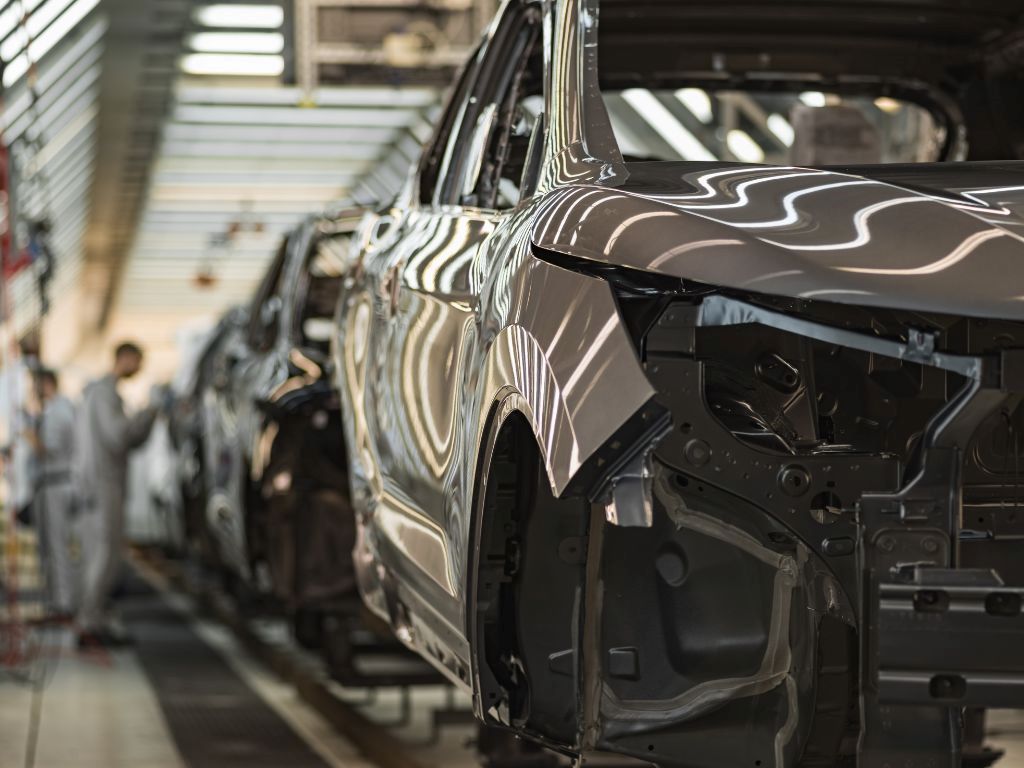

Uncover the innovative materials shaping modern vehicle design, exploring their durability, versatility, and impact on the automotive industry’s future.
A wide range of manufacturing materials work together to create efficient, safe, and stylish automobiles. Understanding the materials that go into making cars can provide automotive enthusiasts with a deeper appreciation of the technology and engineering behind their favorite vehicles. If you’re a car buff interested in learning more, here’s a look at the materials used in modern vehicle design, their individual contributions, and their collective impact on the automotive industry.
Aluminum
Aluminum has become a key player in modern vehicle design, primarily due to its lightweight nature. Reducing vehicle weight helps enhance fuel efficiency, as lighter cars require less energy to move.
Aluminum also has the ability to maintain structural integrity while reducing weight, which makes it an ideal choice for car bodies and frames. Using aluminum in car manufacturing is economically beneficial and contributes to environmental sustainability by lowering emissions.
Steel
Steel remains a staple in vehicle design, renowned for its contribution to safety and structural integrity. Despite the rise of alternative materials, steel’s durability and strength are unmatched when it comes to protecting passengers in collisions.
Advances in high-strength steel have allowed manufacturers to maintain safety standards while reducing overall weight. Steel’s versatility also makes it a valuable material in creating components that require strength and flexibility.
Carbon Fiber
Many regard carbon fiber as a high-performance material in the automotive world. Known for its exceptional strength-to-weight ratio, carbon fiber is changing the dynamics of vehicle design.
While it is more expensive than traditional materials, its application in performance and luxury vehicles allows for enhanced speed and agility. By reducing weight without compromising strength, carbon fiber enables designers to push boundaries and create cars that perform at the highest levels.
High-Performance Plastics
High-performance plastics have proven to be highly versatile in automotive applications. These materials offer significant weight reduction and can be molded into complex shapes, allowing for more innovative designs. For example, the automotive industry uses Torlon® plastic for its lightweight makeup and other properties.
Plastics are resistant to corrosion, which enhances vehicle longevity and reduces maintenance costs. Additionally, they provide noise reduction and insulation, improving passenger comfort and driving experience. Their adaptability makes them indispensable in modern vehicle design.
The materials used in modern vehicle design enable manufacturers to create efficient, safe, and high-performance cars. These materials each contribute uniquely to the automotive landscape. Understanding the role of these materials helps automotive enthusiasts appreciate the complexity and innovation behind modern cars.
As technology advances, the future promises even more exciting developments in vehicle materials, continuing to transform the driving experience. Automotive enthusiasts can look forward to exploring these innovations and their implications for the industry.
Comments are closed.