
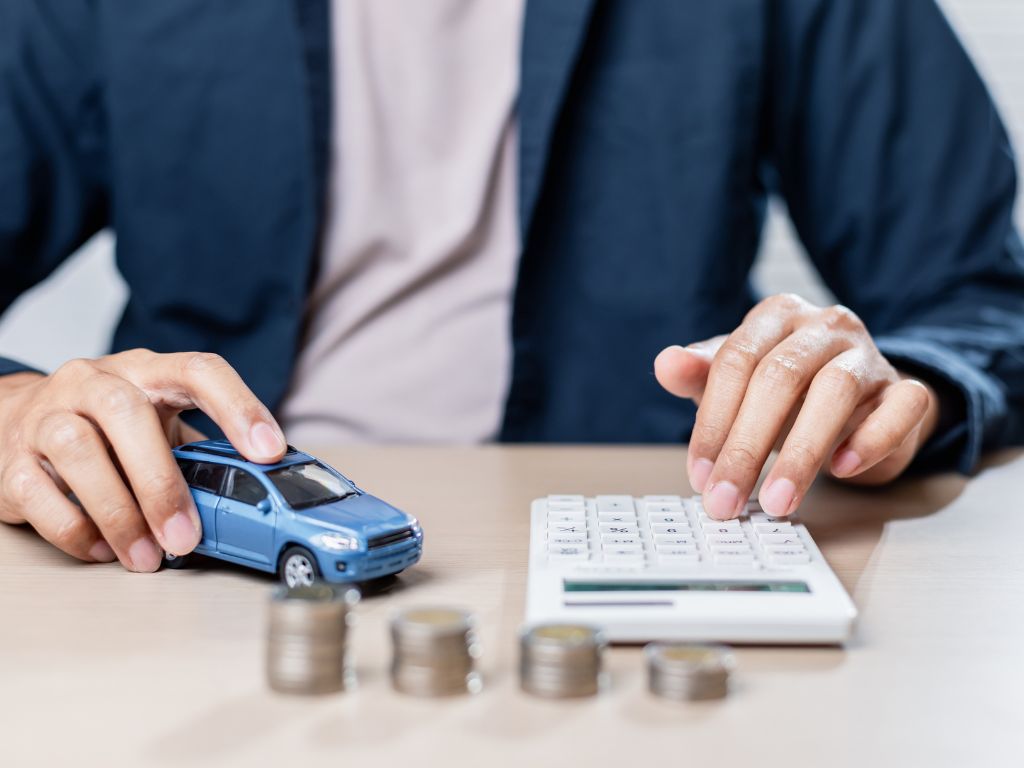

Owning a vehicle costs more than most drivers expect. Learn how to budget for car ownership without surprises and avoid sudden financial strain.
Owning a vehicle brings freedom, but it also carries financial responsibility. Drivers who want to budget for car ownership without surprises need to look beyond the monthly payment and evaluate the full cost of keeping a vehicle on the road. Expenses build gradually, and overlooking smaller categories leads to strain later. A clear plan, grounded in realistic expectations, protects both your car and your finances.
Look Beyond the Purchase Price
The purchase price is only the starting point. Loan interest, registration fees, insurance, and more increase the upfront total, while depreciation steadily reduces the vehicle’s value over time. Although depreciation does not require a monthly cash outlay, it affects the long-term resale or trade-in potential. Factoring in these elements creates a more accurate picture of what ownership truly costs.
Plan for Insurance and Registration
Insurance premiums vary based on factors such as your driving history and location. Newer vehicles or financed cars require comprehensive and collision coverage, which increases monthly costs. Registration fees and annual tag renewals also deserve a line in your budget rather than being treated as occasional inconveniences. Setting aside a small monthly amount for these predictable expenses prevents last-minute scrambling.
Account for Maintenance and Inspections
Routine maintenance protects performance and prevents avoidable repairs. Something like an oil change occurs on a schedule, not at random. For that reason, understanding why it’s important to have your car inspected every year supports both safety and long-term budgeting because inspections identify small issues before they escalate. Building a maintenance fund, even if contributions are modest, reduces the financial shock of necessary service.
Prepare for Repairs and Emergencies
Even well-maintained vehicles can develop unexpected problems. An emergency repair reserve equal to at least one major repair helps absorb those costs without relying on high-interest credit. While exact amounts vary by vehicle age and condition, older cars typically require a larger cushion.
Track Fuel and Driving Habits
Fuel remains one of the most visible ongoing costs. Commuting distance and fuel efficiency directly influence monthly spending. Reviewing bank statements or using a mileage log can reveal patterns that are easy to underestimate. Adjustments such as combining errands or maintaining proper tire pressure can modestly improve efficiency over time.
Careful planning makes it possible to budget for car ownership without surprises while preserving financial stability. A vehicle should support daily life, not disrupt it with preventable expenses. With a disciplined approach, ownership becomes manageable rather than reactive.
Comments are closed.